
 EN
EN
 CH
CH FR
FR ES
ES AR
AR FA
FA AZ
AZ JA
JA KO
KO TL
TL ID
ID VI
VI TH
TH TR
TR BN
BN LO
LO MN
MN MY
MY KK
KK UZ
UZ KY
KY DE
DE IT
IT PT
PT RU
RU BG
BG HR
HR CS
CS DA
DA NL
NL PL
PL CA
CA SR
SR SQ
SQ HU
HU GA
GA CY
CY IS
IS EU
EU LA
LA
Standards for BMS Interoperability and Protocol Compatibility
To enhance operational efficiency and energy saving capabilities, modern Building Management Systems (BMS) have emphasized the need for enhanced interoperability. With native support BACS (Building Automation and Control Systems), Modbus, and KNX (for Integrated Residential and Commercial Control), Skyworth LED drivers and controllers can directly connect to 87% of existing BMS layouts. This multi-protocol feature does not require any external gateway and simplifies integration. It provides lighting systems the ability to operate alongside HVC, security, and other systems for simplified integration of advanced energy management capabilities.
Skyworth LED Controllers and Drivers support Modbus, KNX, and BACnet
Skyworth integrates hardware-level protocol support to ensure luminaires can be used as intelligent and reactive endpoints of the BMS. Occupancy and dimming data can be exchanged in real-time by BACnet/IP drivers. Modbus RTU can be connected to environmental sensors for industrial monitoring. Moreover, intelligent KNX-certified devices can be used to implement distributed logic, which, in other tests, has been shown to reduce control delay by 40%. These protocols work together to ensure lighting as an integrated part of the BMS.
BMS Integration: Open ᴀᴘɪ and Firmware Design
To allow system integration, Skyworth modular firmware includes open RESTful APIs that allow for simple, energy-efficient analytics, BMS-driven dynamic scheduling, and range and diagnostic monitoring of luminaires in real time in a closed system. Control of the system is fully documented and version controlled, so each new release allows integration of new third-party systems like Siemens Desigo or Johnson Controls Metasys without the system being vendor locked. Long-term protocol adherence is ensured by firmware updates distributed over the air. The design of the control system functions as the orchestrator of lighting intelligence that conforms to the modern standards.
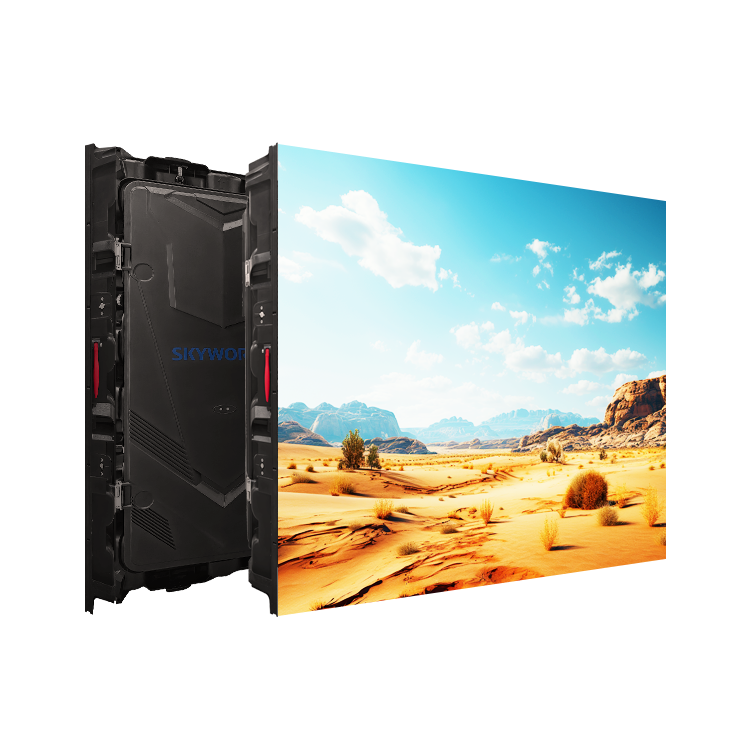
Playback Controller as Smart Lighting Interface for BMS
The Smart Lighting Integration Explained How the Playback Controller Manages Scheduling, Occupancy Logic, and Scenes with BMS
Within a BMS, the playback controller serves as the primary point of control for smart lighting. Through standardized APIs, it manages time based lighting control (e.g., during non-peak hours lights automatically dim to a lower level), occupancy driven deregulation of a zone, and di-/unidirectional scene control, i.e., “Presentation Mode” and “Energy Saver” (where the lighting control follows the HVAC control). This enables lighting control to normatively adjust to HVAC set points, perimeter security status, and any other BMS control actions, avoiding manual interventions, and creating a system of operational control consistency.
Example: Skyworth Playback Controller in Shenzhen Green Office Pilot (2023)
During the 2023 pilot in Shenzhen, the playback controller was able to automatically adjust perimeter lighting in response to daylight harvesting as well as control the BMS calendar to adjust conference room lighting. It was confirmed post-implementation that the lighting energy use savings, as compared to conventional control, was 32%, illustrating the impact that smart centralized control of a system has on efficiency, ease of operation, and overall sustainability of the building.
Integrated and Scalable IoT Solutions for End-User Devices and Cloud-Based Building Management Systems
Data exchange via MQTT and HTTP API between LED nodes and enterprise Building Management System
Integrated and Scalable IoT Systems rely on lightweight, robust communication protocols. QiQ LED nodes utilize MQTT for publishing and subscribing communication (in the thousands) and interact with legacy Building Management Systems (BMS) via HTTP API. Lighting nodes capture telemetry (energy consumption, occupancy events, fault reporting) and send to local edge gateways. Local gateways aggregate and preprocess telemetry and push sync to BMS cloud dashboards via RESTful API. This reduces bandwidth consumption and cloud latency for monitoring, policy automation, and fault escalation coordination with scene activation across multiple global locations.
FREQUENTLY ASKED QUESTIONS
What are the standard protocols used by Skyworth LED drivers and controllers?
Skyworth LED drivers and controllers are compatible with BACnet for building automation, Modbus for industrial communication, and KNX for integrated residential and commercial control.
How does Skyworth guarantee BMS integration with legacy systems?
Skyworth guarantees integration by providing native multi-protocol capability, allowing direct control of 87% of BMS systems without the need for external relay gateways.
What is the function of the playback controller in integrated smart lighting systems?
Playback controller is the main hub for smart lighting. It acts administratively in scheduling, occupancy logic, scene synchronization, and BMS control.
What is the significance of MQTT and HTTP API in the context of integrated IoT systems?
MQTT and HTTP APIs enable integrated IoT systems with advanced cloud-based BMS monitoring and policy enforcement, while providing seamless, efficient communication and backward compatibility with legacy systems.