
 EN
EN
 CH
CH FR
FR ES
ES AR
AR FA
FA AZ
AZ JA
JA KO
KO TL
TL ID
ID VI
VI TH
TH TR
TR BN
BN LO
LO MN
MN MY
MY KK
KK UZ
UZ KY
KY DE
DE IT
IT PT
PT RU
RU BG
BG HR
HR CS
CS DA
DA NL
NL PL
PL CA
CA SR
SR SQ
SQ HU
HU GA
GA CY
CY IS
IS EU
EU LA
LA
High-Brightness Display Technology for Outdoor Poster Screen Legibility
Sunlight-Readable Brightness: Why 5,000–7,000 Nits Matter for Poster Screens
Outdoor posters are competing with bright ambient light, often exceeding 100,000 lux. This is much higher than typical indoor conditions where displays are designed to work with 800 to 1500 nits. For people viewing displays 15 to 30 meters away, outdoor displays need to be designed for 5000 to 7000 nits, in order to be readable. Increased brightness will improve visibility of the display so content will be clear, and images will stand out even in the strongest sun. Additionally, higher brightness will improve the visibility of the ad, increasing the likelihood of it being seen and used. All of this is accomplished while keeping power consumption within reasonable limits for most businesses.
Environment - Brightness (nits) - Visibility in Direct Sunlight
Indoor - 800-1500 - Poor
Outdoor - 5000-7000 - Excellent
Dynamic Contrast Adjustment in Varying Light Situations
The use of real time ambient light sensors enables screens to modify their contrast accordingly to changes in the surrounding light levels throughout the day. During the peak brightness of midday sun or times of low light such as cloudy afternoons or evening twilight, these sensors will adjust backlight levels and gamma. This allows critical information to remain visible and prevents excessive brightness or darkness in certain regions of the screen. The benefits of these sensors are significant. Weather changes will not affect the screen's readability. Adaptive dimming will reduce power consumption by approximately 30% as well. The controlled dimming system cycles brightness intelligently rather than running at 100% all day, improving the life of the system. The sensors are designed to meet and maintain the ISO 9241-303 standards, even in the absence of manual adjustments to the system.
Improvements in Pixel Pitch and Resolution for Enhanced Clarity of Long Distance Poster Screens
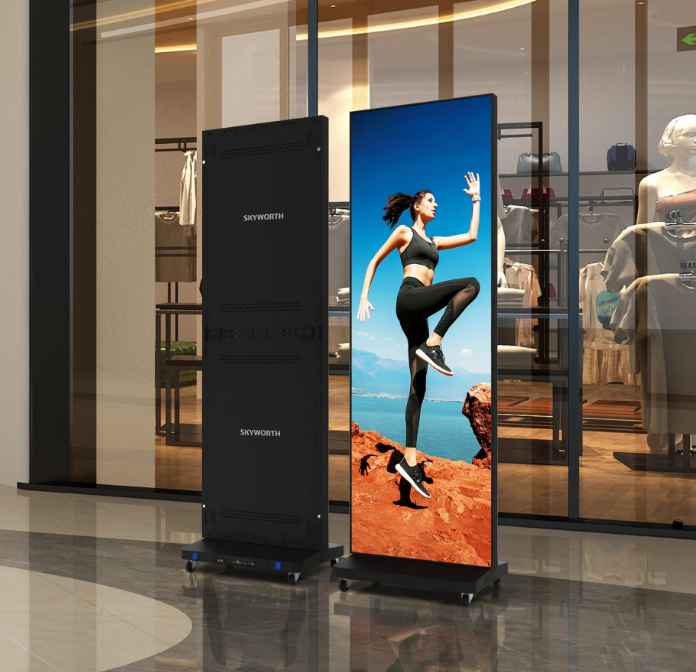
P1.5–P2.5 Pixel Pitch: Translated Legibility Within 15-30m
The pixel pitch determines how close someone can stand to a display and still see a smooth image, rather than a bunch of separate dots. With large format displays for outdoor advertising, people stand 15 to 30 meters back, and P1.5 to P2.5 mm pixel pitch offers the best combination of image quality and cost. At this distance, the individual light sources blend together in the viewer’s eye, creating the illusion of solid graphics instead of thousands of visible squares that would ruin the intended message.
The human eye can resolve this, and at a distance of 20 meters, 20/20 vision can resolve detail down to ~1.7 mm. This makes P1.8 to P2.2 pixel pitches optimal for rendering sharp text. Anything greater than P3 pixel pitch offers the potential for visible pixelation at the distance of poster view. Conversely, the greater pixel pitches of P1.2 require a disproportionate increase in cost, power, and demand without reasonable improvement in poster legibility.
Pixel Pitch Effective Viewing Range Use Case P1.2–P1.5 < 15m Indoor/kiosk displays P1.5–P2.5 15–30m Outdoor posters P3+ > 30m Highway billboards Industry validation shows practical deployment limits using the formula Optimal Distance (m) = Pixel Pitch (mm) × 8–10. In cases where a P2.0 screen is used, clarity peaks at 16 to 20 meters, from this distance. This specific resolution is used to avoid the problem of “empty density” and to ensure that every single pixel is used to maximize the understanding of the viewer, especially in high density transit centers, sports stadiums, and in situations where the screen is integrated in a dense urban setting.
Distance-First Content Design: Typography, Scale, and Poster Screen Readability Effective outdoor poster screens must prioritize functional legibility over decorative complexity. Since the viewer is a moving, and at a far distance, the content must be designed in a way to communicate the message instantaneously and without ambiguity.
Font Sizing Guidelines Based on ISO 9241-303 Standard for 20m+ Poster Screen Viewing ISO 9241-303 offers a sound, evidence-based approach to the standards of typography at distance. A 20-meter legibility is guaranteed if the letter height is 16.5 cm (6.5 inches) based on the widely accepted 1:120 ratio. This ratio means that 1 inch of letter height is legible up to 10 feet (approx. 3 meters).Implementation hinges on four core principles:
Font choice: Using sans serif type like Helvetica Bold increases viewer recognition of letters, especially in changing environmental conditions, so it is critical to use this type of font.
Understanding contrast: At least a 70% difference in luminance between text and background is critical to avoid being washed out by the sun.
Message hierarchy: The primary text message on the screen should take up at least 40% so that it is most prominent and can draw the most attention from the viewer.
Letter spacing: Using at least 15% of the height of the letters of the font as letter spacing helps to avoid letters blending, which is critical for moving viewers.
These principles address the most common failures of outdoor signs: loss of contrast due to glare, motion blur that can obscure details, and tight layouts that create a cognitive burden. Following these principles can, according to studies in display ergonomics, increase message comprehension by 89% at distances of 20 meters and greater.
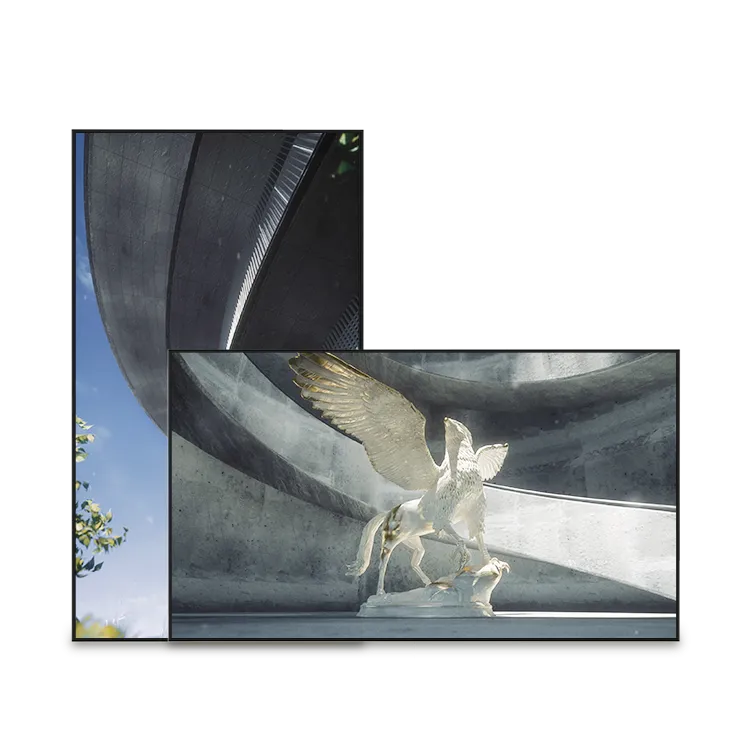
Color Science for Outdoor Poster Screens: Accuracy, Contrast, and Human Perception
Bright environments negatively impact the color accuracy of displays, causing the colors to appear less saturated and more washed out. This is not something that can be remedied by simply increasing the brightness. It requires a more sophisticated understanding of color interaction. The newest LED displays retain color fidelity even in direct sunlight and dynamically adjust contrast to maintain the visibility of the content relative to the background. People’s eyes adapt to changing lighting conditions throughout the day, changing the way colors are perceived. Therefore, display technology must adapt to the gradual changes in the available light in a way that mirrors the changes in human vision from morning to afternoon and evening.
By choosing a wide gamut color space that aligns with either the Rec. 709 or DCI-P3 standards, brands preserve their signature branding across various displays. The system also features innovative white point calibration that combats atmospheric phenomena, such as haze and humidity. These phenomena preferentially scatter short wavelength light, dulling the blue light that is critical for brand identity. The combination of these technologies ensures that emotions are activated and colors are accurate. Messages also maintain clarity and confidence regardless of external weather conditions and the viewer’s distance from the screen.
FAQs
What is the ideal brightness range for outdoor poster screens?
Outdoor poster screens should sit somewhere between 5,000 to 7,000 nits of brightness for visibility in direct sunlight.
How do ambient light sensors improve screen visibility?
Ambient light sensors maintain visibility by adjusting contrast settings in real time. They tweak backlight levels and gamma curves in relation to varying light conditions.
Why is pixel pitch important for outdoor displays?
Outdoors displays have varied pixel pitches for varied viewing distances; the pixel pitch of P1.5 to P2.5 is suited for outdoor displays 15-30 meters away from the viewer.
What typography considerations ensure readability from a distance?
Use of Sans-serif fonts, high color contrast, and proper spacing to avoid merging effects and ensure visual clarity of the target message are key considerations.