
 EN
EN
 CH
CH FR
FR ES
ES AR
AR FA
FA AZ
AZ JA
JA KO
KO TL
TL ID
ID VI
VI TH
TH TR
TR BN
BN LO
LO MN
MN MY
MY KK
KK UZ
UZ KY
KY DE
DE IT
IT PT
PT RU
RU BG
BG HR
HR CS
CS DA
DA NL
NL PL
PL CA
CA SR
SR SQ
SQ HU
HU GA
GA CY
CY IS
IS EU
EU LA
LA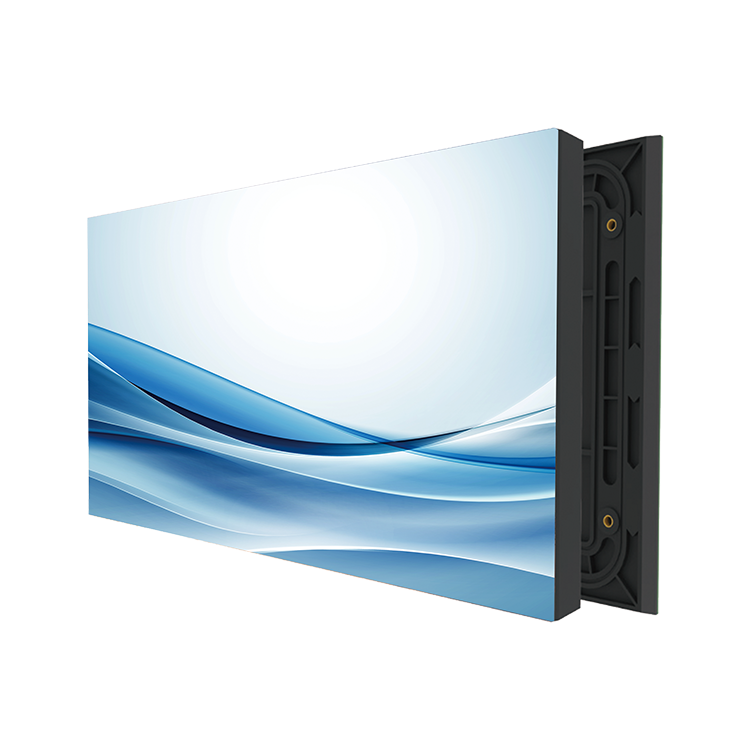
What Is Mini LED? Technical Distinctions & Core Principles
What is Mini LED: Backlighting at the pixel level
A Mini LED is an LED that is used to backlight displays. It is significantly smaller at 50 to 200 micrometers when compared with traditional LCDs, which are restricted to a few hundred backlight zones per LCD. Mini LED backlight units are created with thousands of micro-sized diodes densely packed. By utilizing pixel-sized local dimming, groups of Mini LEDs can turn different backlight regions on or off independently. These systems used together can yield blacks deeper than the histogram of gray or LCD blacks and can reduce the edge light bleed of backlit LEDs from greater than 60% to a significantly smaller number. From an engineering point of view, Mini LED backlit systems can achieve the contrast of an OLED while having the brightness and longevity of an LCD.
The Distinction Of Mini LED Backlight from OLED, LED, and Micro LED
We can present the technical properties of Mini LED, and OLED, and traditional LED display technologies as follows.
Mini LED vs. OLED vs. standard LED.
Backlight Source: Thousands of micro diodes vs. pixels that are self-emissive vs. hundreds of LEDs many times larger than the diodes listed.
Peak Brightness: 1,000-2,000 nits vs. 500-800 nits vs. 300-600 nits
Burn in Risk: Very low vs. high, especially for content that is static vs. low.
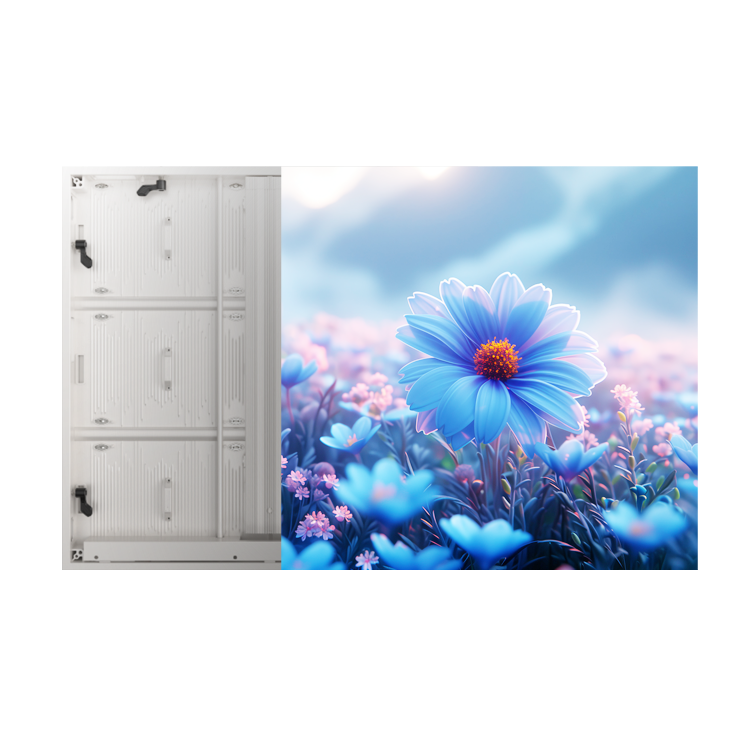
Black Levels: Near OLED, 0.001 nits vs. 0 nits vs. grayish blacks
Micro LED, which are self-emissive LEDs with a width of less than 50μm, is a much better long term choice. Mini LED strikes a better balance with comparable OLED contrast and HDR Fidelity with less degradation of organics in comparison. In controlled third party testing, Mini LED can be shown to sustain 90% of its brightness after 30,000 hours of use, while the likeliest comparison, an OLED in a controlled test, sustain 30% after a third of that time.
Benefits of Mini LED on Displays: Brightness, Contrast, Durability
Heaps of Brightness in High Dynamic Range Due to the Most Local Dimming Zones
Mini LED's ability for greater High Dynamic Range means better Mini LED display brightness with less contrast loss due to the thousands of local dimming zones. Compared with traditional LED-LCD displays, Mini LED operates many more thousands of local dimming zones (as opposed to hundreds), modulating luminance at nearly pixel resolution within the display. So, less Mini LED blooming means greater detail in shadows with greater depth perception on the display. Consistency on luminance in various ambient light conditions also means more reliable recovery of shadows, less extreme brightness compression, and no residual Mini LED thermal throttling.
More Lifespan and Less Burn-In Compared with OLED
With inorganic Mini LED displayed, OLED burn-in residuals become more irrelevant compared with OLEDs that employ extreme Mini LED display burn in. OLED panels use a separate electroluminescent material compared with inorganic Mini LED display burn in, whereas, Mini LED displays use inorganic light emitting diodes to backlight the LCD panel. Less Mini LED luminance and color shift are also less visible than Mini LED luminance loss with IDC display of greater than 30,000 hours of continuous use Mini LED.
The Importance of Mini LED Display Technology in Specialized Fields: Professional Monitors and Broadcast Displays
Creative Control Room and Department Use Cases
Mini LED’s high brightness and color accuracy combined with its local dimming technology means it is quickly becoming the standard for all types of professional work. Mini LED displays are an ideal choice for studios due to their ability to do HDR with Dolby Vision and with very little tone mapping. Control rooms are quick responding and an ideal choice for control rooms due to their consistent and glare resistant brightness. Broadcast virtual production walls are ideal for broadcasters due to their quick responding control and consistent brightness and are able to maintain consistent brightness and color throughout all lighting and control changes.
Early Adoption for Digital Signage and Medical Imaging
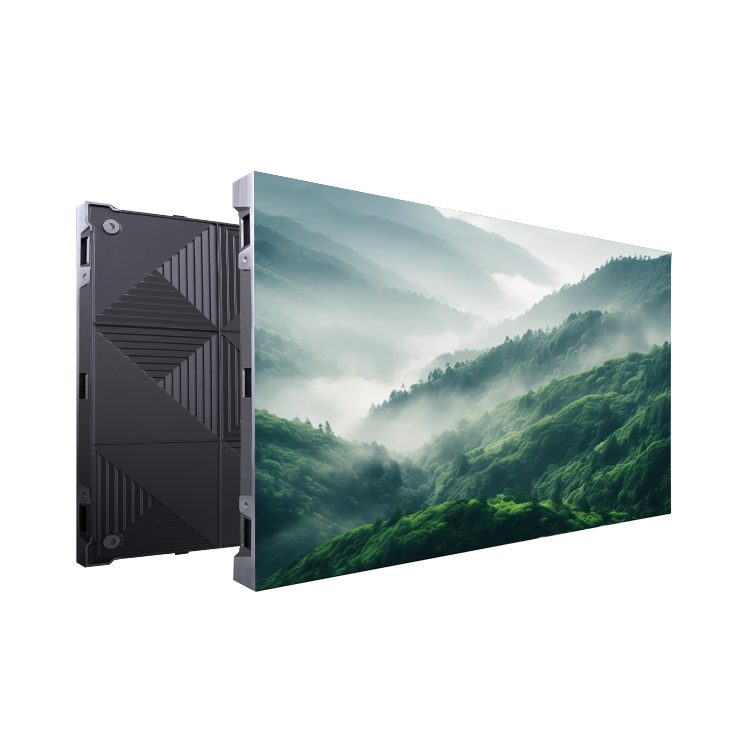
The healthcare industry as well as the commercial industry are quickly adopting Mini LED as it benefits them clinically and operationally. In medical imaging, certified Mini LED displays provide the UI and the required posed contrast needed to interpret and analyze X-ray, MRI, and CT imagery. In digital signage displays, the high contrast ratio and low power draw mean displays consistent and high in brightness through sunlight and are ideal for point-of-sale displays, kiosks, and reference displays in surgical rooms.
Assessing Mini LED Solutions: Considerations for the B2B Sector
Peak Nits, Dimming Zones, and Color Fidelity
From the B2B standpoint, marketing promises are irrelevant. Look for panels supplying at least 500 dimming zones, while professionals may want to invest in premium options that suppress halo effects and provide 1000 to 2000 zones. Because the average user will not achieve 1000 nit HDR or sustained value peak brightness, inquire about sustained, full screen brightness. Color accuracy must be validated. DCI-P3 standards indicate a saturation of at least 95%. Rec. 2020 also illustrates adherence at 80%.
Calibration, Maintenance, Scalability, and the Total Cost of Ownership
The purchase price gives but a fraction of the total picture. For continued and sustained color accuracy across all scenarios and functions, both factory calibration and field-renewable calibration tools need to be sustained. Compared to OLED, less maintenance offers extended mean time between failures. Minimal maintenance activities perform intervals. Hinged infrastructure yields modular systems that minimize replacement and disruption and support tactical growth. For environments where display failure named functions negatively and especially, the Mini LED supply meets the superior TCO over the established and long-sustained ROC.
FAQ
What is Mini LED display longevity in comparison to OLED?
Mini LED displays often have their brightness and color accuracy beyond 30.000 hours. OLED panels typically lose luminance and can experience color shift after a mere 15.000 hours.
Are Mini LED display's burn-in issues similar to that of OLED?
No. Mini LED displays do not have the same risk of burn-in. The inorganic LEDs in Mini LED displays do not degrade like the Organic LEDs in OLED.
What effect do Mini LEDs have on the quality of HDR?
Mini LEDs have thousands of dimming zones, which precise localized luminance. In high-contrast scenes, the impact of Mini LEDs is depth, with luminance primarily much less of a focus.