
 EN
EN
 CH
CH FR
FR ES
ES AR
AR FA
FA AZ
AZ JA
JA KO
KO TL
TL ID
ID VI
VI TH
TH TR
TR BN
BN LO
LO MN
MN MY
MY KK
KK UZ
UZ KY
KY DE
DE IT
IT PT
PT RU
RU BG
BG HR
HR CS
CS DA
DA NL
NL PL
PL CA
CA SR
SR SQ
SQ HU
HU GA
GA CY
CY IS
IS EU
EU LA
LA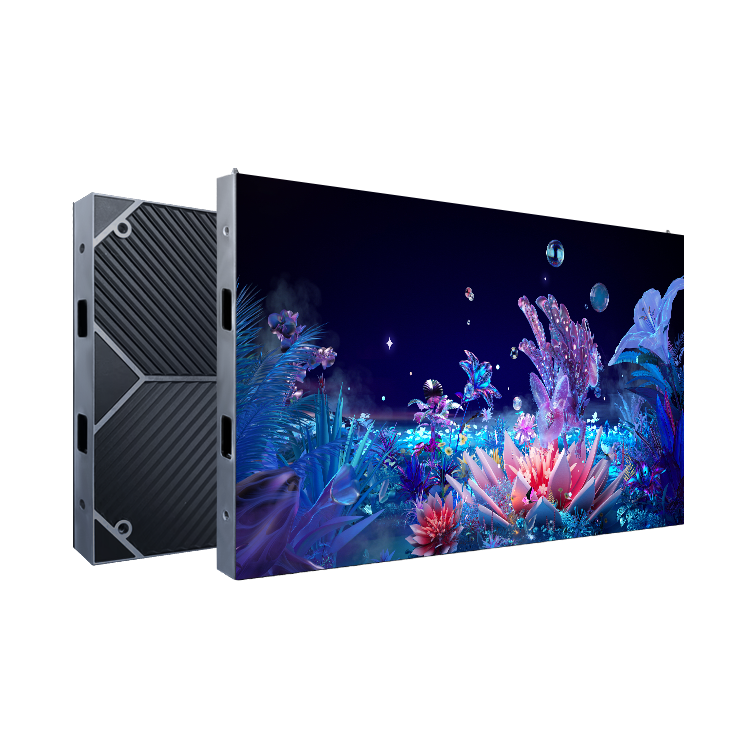
Skyworth LED Panel: Superior Energy Efficiency That Outperforms Industry Standards
Walk into any modern retail store, and you will see LED panels everywhere. But here is the reality that many facility managers and retail operators discover only after installation: not all LED panels deliver the same performance.
The difference between a panel that saves energy and one that just consumes less electricity is not just about wattage. It is about engineering—chip design, optics, thermal management, and smart integration. Here is what sets Skyworth‘s LED panel apart and why it is becoming the default choice for retail chains scaling new stores.
Luminous Efficacy: 40% Above the Industry Average
The numbers: Skyworth’s LED panel achieves a luminous efficacy of 150 lumens per watt—more than 40% above the industry average of around 100 lm/W.
This leap comes from three integrated innovations:
-
A proprietary high-efficiency blue LED chip that reduces internal quantum losses by 18%
-
A phosphor-silicone matrix engineered to minimize Stokes shift waste by 12%
-
A micro-prismatic optic lens that recaptures and redirects side-emitted light downward, boosting usable lumen output by 22% without increasing power draw
Thermal management is enhanced via a graphene-enhanced heatsink, lowering junction temperature by 9°C and extending the panel‘s L70 lifespan beyond 60,000 hours.
What this means in practice: Fewer fixtures are needed to meet retail illuminance standards—reducing both upfront capital expenditure and long-term energy costs. While most commercial panels plateau near 120 lm/W, Skyworth’s optical architecture delivers next-generation efficiency, transforming each watt into significantly more visible, usable light.
Real‑World Validation: 62% Energy Reduction in Retail Stores
A 12‑month pilot across three fashion retail sites in Southeast Asia confirmed these gains in operation. Stores replaced 800 fluorescent troffers (72 W each, including ballast) with an equal number of Skyworth LED panels (27 W each). Monitored data showed a 62% reduction in lighting energy consumption—translating to 148,000 kWh saved annually per store, or approximately $15,800 at local commercial rates.
Additional findings:
-
Illuminance remained stable at 500 lux on merchandise surfaces
-
Instant‑on functionality eliminated the warm‑up lag that previously forced staff to keep fluorescents running during low‑traffic hours
-
Maintenance calls dropped by 95%, as the panels‘ 60,000‑hour rated life far exceeds the typical 15,000‑hour lifespan of fluorescent tubes
-
A follow‑up heat‑map analysis revealed improved light uniformity—enabling removal of three accent spotlights per zone and cutting an additional 11% from the remaining load
For a chain planning 50 new outlets, these per‑store savings scale to over 7 GWh of avoided electricity and a five‑figure monthly reduction in operational expenditure. This is not just lab‑validated—it is field‑proven.
Retail‑Optimized Light Quality: CRI >95 and Tunable White
Color accuracy matters in retail. An LED panel with a Color Rendering Index (CRI) above 95 ensures fabrics, produce, cosmetics, and other merchandise appear vivid and true to life. Standard commercial lighting often delivers only ~80 CRI, which flattens tonal nuance and distorts hues. Skyworth‘s high‑fidelity output closely mimics natural daylight, enhancing shelf appeal and shopper confidence.
Tunable white technology allows retailers to dynamically adjust color temperature from warm (2700K) to cool (6500K) to align with time of day, seasonality, or brand messaging. For instance, using a soft amber glow for morning bakery displays and shifting to a crisp neutral tone for afternoon traffic. This adaptability elevates ambiance and product presentation without adding fixtures or complexity.
Seamless IoT Readiness: Built for Smart Retail
Skyworth’s LED panels are natively IoT‑ready—supporting standard protocols including DALI, Zigbee, and Bluetooth Mesh without requiring external gateways or proprietary hardware. This enables direct integration with occupancy sensors, daylight harvesting systems, and centralized building or retail management platforms.
What this enables:
-
A single dashboard orchestrates hundreds of panels across multiple locations
-
Perimeter zones dim when natural light peaks
-
Preset scenes activate during rush hours
-
Maintenance alerts trigger before performance degradation affects customer experience
Because no retrofitting or custom wiring is needed, deployment cycles for new stores are significantly shortened. The result is a responsive, future‑proof lighting infrastructure that simultaneously lowers energy use, simplifies operations, and strengthens alignment between lighting strategy and retail KPIs.
Compelling ROI: Total Cost of Ownership and Payback
A five‑year Total Cost of Ownership (TCO) analysis for a typical retail installation of 100 fixtures underscores Skyworth‘s financial advantage:
| Cost Category | Skyworth LED Panel | Top Competitor Average |
|---|---|---|
| Initial purchase (100 panels) | $12,000 | $10,500 |
| 5‑year energy cost | $2,160 | $5,760 |
| 5‑year maintenance (replacements, labor) | $400 | $2,600 |
| Total 5‑Year Cost | $14,560 | $18,860 |
| Payback period vs. competitor | 1.8 years | — |
Skyworth‘s higher initial cost is rapidly offset by its superior luminous efficacy, extended 60,000‑hour lifespan, and built‑in smart controls—all of which suppress energy use and eliminate routine re‑lamping, cleaning, and troubleshooting. The 1.8‑year payback begins immediately upon commissioning, after which every dollar spent on lighting becomes net savings.
For multi‑location rollouts, this compounds into meaningful improvements to gross margin and capital allocation flexibility—positioning the Skyworth LED panel not as a commodity fixture, but as a strategic enabler of retail operational excellence.
Faster Deployment: Why Retailers Choose Skyworth for New Stores
For retail chains scaling rapidly, speed‑to‑revenue hinges on fit‑out efficiency. Skyworth‘s LED panels are engineered for accelerated deployment.
Key advantages:
-
Modular, plug‑and‑play architecture eliminates complex wiring, custom mounting, or specialized electricians
-
Compatibility with standard grid ceilings and quick‑connect drivers streamlines execution
-
Native integration with store management systems allows immediate onboarding of occupancy sensing, scheduling, and remote diagnostics
-
Leading suppliers reinforce this advantage with rapid quoting, consistent in‑stock availability, and 5‑year warranties
Compared to traditional fluorescent installations, modular LED systems cut average installation time by up to 55%. As field teams report faster commissioning, lower labor dependency, and immediate energy savings, adoption has shifted from selective trial to default specification—driven by reliability, scalability, and alignment with the retail sector‘s relentless pace.
Lessons from the Field
In one of the Southeast Asian pilot stores, the facility manager initially hesitated about the higher upfront cost of Skyworth panels compared to budget alternatives. After 12 months of monitoring, the numbers told the story: energy bills dropped by over 60%, and maintenance calls went from monthly to nearly zero. “We used to budget for lamp replacements every year,” the manager noted. “Now we don‘t even think about it.”
Another example: a chain planning 20 new stores across the region originally specified a lower‑cost competitor panel. After reviewing the TCO analysis and pilot data, they switched to Skyworth. The projected five‑year savings across all locations exceeded $200,000—enough to fund two additional store openings.
These are not exceptional cases. They are the predictable outcome of choosing lighting that is engineered for real‑world retail environments.
FAQ
What is luminous efficacy, and how does Skyworth‘s LED panel outperform competitors?
Luminous efficacy measures how efficiently a light source produces visible light per watt of energy consumed. Skyworth’s LED panels achieve 150 lumens per watt—40% higher than the industry average—using advanced chip, phosphor, and optic technologies.
How does Skyworth‘s LED panel help reduce operational costs?
Skyworth panels minimize energy consumption, reduce maintenance costs with an extended 60,000‑hour lifespan, and eliminate warm‑up delays common with traditional lighting.
What distinguishes Skyworth’s CRI >95 rating?
Skyworth‘s high CRI ensures accurate color rendering, mimicking natural daylight, which enhances merchandise appeal and supports visual merchandising goals.
Can these LED panels integrate with smart retail systems?
Yes, Skyworth LED panels are IoT-ready and compatible with protocols like DALI, Zigbee, and Bluetooth Mesh, enabling seamless integration with occupancy sensors and centralized retail management systems.
What is the payback period for investing in Skyworth LED panels?
The payback period is 1.8 years, after which retailers benefit from ongoing operational savings due to lower energy and maintenance costs.
How do these panels support faster store deployments?
Skyworth‘s modular, plug‑and‑play design simplifies installation, cutting deployment time by about 55% compared to traditional fluorescent systems.
Table of Contents
-
Luminous Efficacy: 40% Above the Industry Average
- Real‑World Validation: 62% Energy Reduction in Retail Stores
- Retail‑Optimized Light Quality: CRI >95 and Tunable White
- Seamless IoT Readiness: Built for Smart Retail
- Compelling ROI: Total Cost of Ownership and Payback
- Faster Deployment: Why Retailers Choose Skyworth for New Stores
- Lessons from the Field
- FAQ