
 EN
EN
 CH
CH FR
FR ES
ES AR
AR FA
FA AZ
AZ JA
JA KO
KO TL
TL ID
ID VI
VI TH
TH TR
TR BN
BN LO
LO MN
MN MY
MY KK
KK UZ
UZ KY
KY DE
DE IT
IT PT
PT RU
RU BG
BG HR
HR CS
CS DA
DA NL
NL PL
PL CA
CA SR
SR SQ
SQ HU
HU GA
GA CY
CY IS
IS EU
EU LA
LA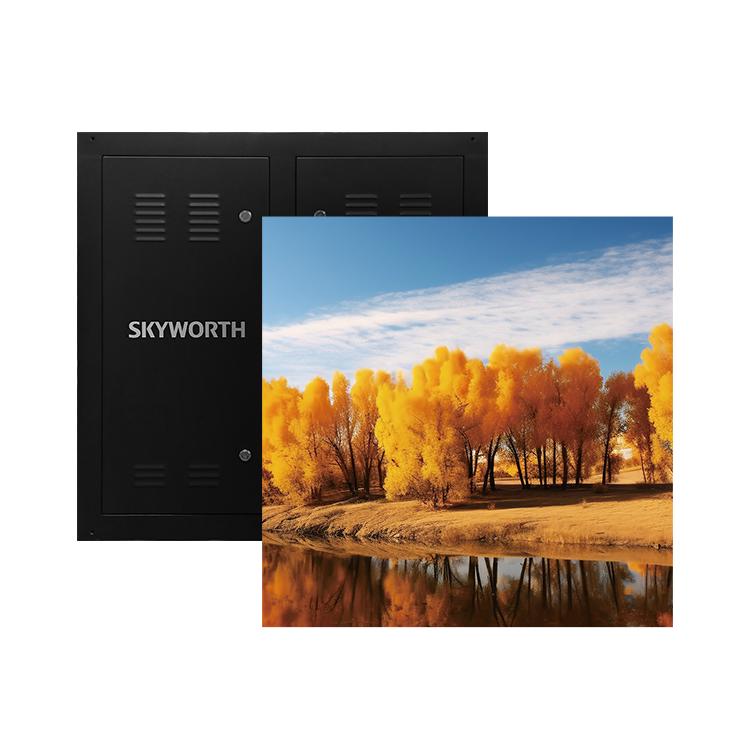
Micro-LED and Chip-on-Board (COB) technologies pioneer new ways to address traditional LED packaging techniques by directly micromounting chips to a printed circuit board (PCB), fully unlocking a pixel pitch under 0.9mm to create imagery that is razor sharp and free from bezels. In addition to elimination of wire bonds and discrete packages for increased surface uniformity and uniform brightness across a wide angle of view, COB (Chip-on-Board) technology delivers improved thermal management which reduces the rate of long-term luminance degradation, and improves compact tiling for seamless 4K displays, and provides a level of impact resistance of 40% above that of standard SMD (Surface Mount Devices) LEDs. Additionally, due to the maturing of mass production, COB technology is projected to decrease manufacturing costs by 15-20% each year, furthering the technology's rapidly increasing adoption in premium control rooms, broadcast studios, and high retail environments.
Transparent LED displays create engaging environments for both retail and advertising. These panels maintain 50-70% optical transparency while still allowing for very bright (up to 5,000 nits) content display. This technology is used by retailers to create interactive store fronts advertising promotions, by advertisers to turn otherwise blank panes of glass into an animated advertisement, and by museums to provide information on artifacts while still allowing for unobstructed view of the artifacts. Their reduced thickness allows for seamless integration into the architecture of the space. Additionally, these displays consume 30% less energy than backlit alternatives and provide a more sustainable option for commercial experiential design.
AI Technology for LED Displays LED displays are being outfitted with AI technology that allows them to respond as conditions change. Ambient sensors relay information to machine learning algorithms regarding the current viewing audience to control the brightness and contrast of LED displays. Computer vision technology allows for displays to respond to changes and analyze viewing demographics. Predictive analytics also allows displays to determine the best time to show high-impact content to ensure optimal engagement. LEDs also utilize automated diagnostics to note when a display pixel has burned out to lessen display maintenance and reduce downtime by 25%. All of these innovations ensure that messages displayed to potential customers are relevant and delivered within a timely manner.
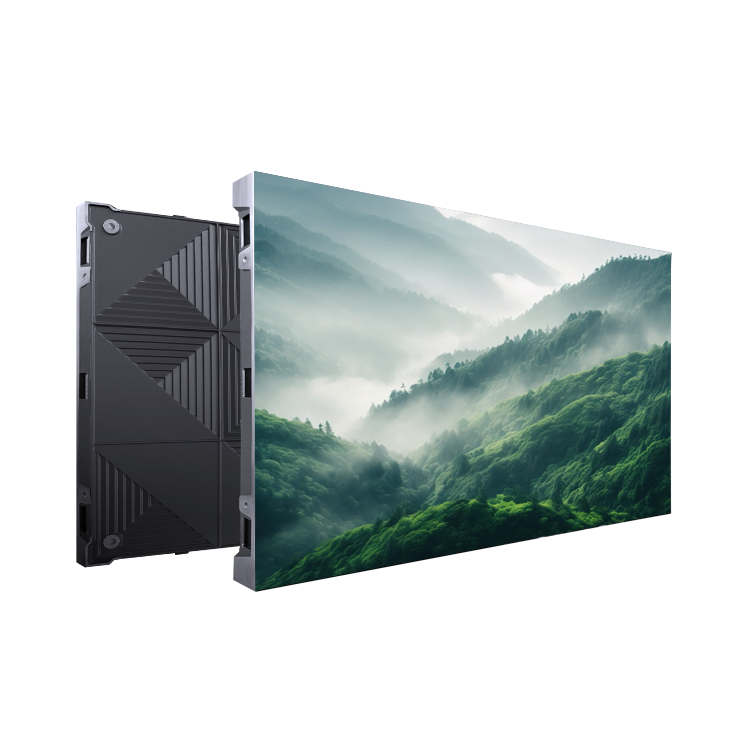
LED Technology for All Major Consumer Segments Energy-efficient LED signage also accounts for consumer dwelling time and engagement for retail and hospitality venues. With the newer LED technology, energy use is reduced by 60% and signage can display dynamic content. LEDs of incredibly high brightness (high-brightness LEDs) vary over 5,000 nits. This ensures that the LED display can be seen even in direct sunlight. Retail analytics record a 27% increase in engagement and viewing time to dynamic content display.
LED Video Wall Technology For Smart Cities and Cultural Institutions Video walls result from an intersection between LED technology and modular design which helps municipalities and cultural institutions create large-scale outdoor displays that are fully operative in extreme weather conditions. With protection against high temperatures, heavy rain, ultra violet light and dirt, Video displays can be flexibly shaped to various sizes and are available in high brightness levels which exceed 10,000 nits. Video displays are an excellent addition to historic architectural places, urban squares and bus terminals. When combined with interactivity driven by AI technology (e.g. motion activated displays and multilingual narration), passive displays are upgraded to participatory platforms. Initial installations in places undergoing urban renewal led to an increase in active community engagement by 41%, which firmly establishes video displays as catalysts that promote participatory civic engagement. LED Technology Differentiation: Energy Savings, Outdoor Brightness and Modular Design In a technology led industry, wide format video screens have gained a competitive advantage using differentiated LED technology in the following 3 inter related dimensions: Energy Savings: a result of new chips and intelligent power management which lead to a reduction in power usage up to 40%, which also contributes to lower the total cost of ownership (TCO) and meets requirements in consideration of the environment (ESG) with respect to power management. Outdoor Brightness and Resilience: brightness of 5,000 nits and higher, combined with weather proofing for extreme temperatures from -30 to +60 degrees, ensures reliability and readabilty in and out of sunlight regardless of weather conditions. Modular Design: Flexible design and outstanding engineering controls the quality and are the foundation for rapid and modular system development from a single display to a video wall of 100 m² or more. Modules can be exchanged in the field for maintenance, upgrades and future extensions. The design system empowers integrators and customers to create scalable systems that fit across multiple dimensions of technology, function and design.
Positioning Compared To Competitors Globally: Where Legacy Manufacturers, New Entrants, and Skyworth’s LED Products Stand
Comparison of Skyworth LED Displays with Competitors in Relation to Brightness, Power, and Pixel Density
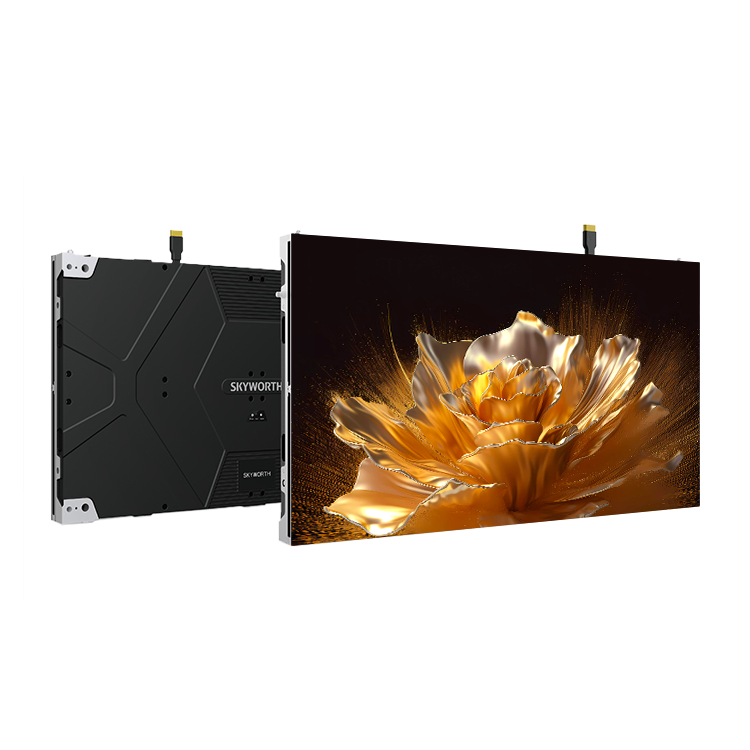
Skyworth’s LED display solutions surpass all others in brightness, efficiency, and resolution having been independently tested and verified (Digital Signage Institute, 2023). Their outdoor displays achieve 2,500 nits – 20% above the sector average, and 180W/m² which is 18% lower than the 220W/m² industry average. This leads to large deployments saving approximately $740k annually in energy costs.
Performance Metric Skyworth LED Industry Average Advantage
Brightness (nits) 2,500 2,000 25% improvement
Power Consumption 180W/m² 220W/m² 18% improvement
Pixel Pitch (mm) 0.9 1.2 33% improvement
Skyworth’s proprietary COB architecture – not the SMD of yesterday – gives Skyworth sub-millimeter pixel pitch, better durability, more than a 110% NTSC color gamut, and superior visual seamlessness for better mission-critical deployments in retail, command centers, and broadcasting.
FAQ
What is the advantage of using Micro-LED?
Micro-LED technology offers better impact resistance, improved thermal management, and better brightness. This, along with no bezel or traditional LED packaging, gives sharp, uninterrupted imagery across all viking angles.
How do transparent LED displays work?
Transparent LED displays offer vibrant, daylight-readable content that boasts 50-70% optical transparency, allowing users to dynamically promote overlay real products that don’t obstruct the view.
What role does AI play in LED content management?
In the case of LED displays, AI guides the system in response to ambient conditions, viewer engagement, and suggests content via predictive analytics.
Skyworth products offer higher brightness and energy efficiency than the industry average. They achieve 2,500 nits and 180W/m² energy consumption, indicating great energy savings and finer pixel detail.