
 EN
EN
 CH
CH FR
FR ES
ES AR
AR FA
FA AZ
AZ JA
JA KO
KO TL
TL ID
ID VI
VI TH
TH TR
TR BN
BN LO
LO MN
MN MY
MY KK
KK UZ
UZ KY
KY DE
DE IT
IT PT
PT RU
RU BG
BG HR
HR CS
CS DA
DA NL
NL PL
PL CA
CA SR
SR SQ
SQ HU
HU GA
GA CY
CY IS
IS EU
EU LA
LA
When all three elements of the integrative planning model are combined, changes and adaptations to client specifications are made at construction sites instead of during the preliminary planning stages as it was previously done. This is because the construction design team is able to coordinate with the construction team and facilitate changes from preliminary construction planning faster. Transport engineers can utilize adjusted routing software to avoid previously defined obstacles in the construction process and to anticipate transportation-related concerns. This model does an impressive job of meeting client specifications at the last minute, such as the need for adaptive fits in building structures with varying ceiling heights. Most competitors would hesitate to address these specifications, but this model is designed to manage this type of uncertainty.
Modular Booth Architecture: Flexibility for All Hall Sizes and Configurations
Modular systems turn static displays into dynamic ones by transforming components for 10×10, 20×20, or other custom layouts. Fully integrated systems utilize standardized connectors and frameworks for panels, including:
- Vertical/Horizontal Expansion: Story towers and wing extensions added in <2 hours
- Layout Flexibility: Identical hardware for all configurations, including curves, angles, and suspensions
- Cost Reduction: 2024 exhibition industry averages indicate 60% reuse of components between events
The ability to scale impacts your brand consistency, from smaller regional halls to larger convention centers and provides an overall better environmental score.
Interactive Technology as a Key Element of the All-Inclusive Solution
VR/AR Gamification and Real-Time Analytics: Maintain Engagement to Enhance Integration
The revolutionary impact of interactive technology on event planning is nothing short of remarkable. Instead of merely walking through the space, attendees have the chance to truly engage with the event. Present day virtual and augmented realities offer unparalleled brand experiences, allowing event planners to capture their attendees' imaginations through virtual product demonstrations, 360 degree virtual prototypes and interactive technologies such as digital quizzes, and scavenger hunts. These technologies can increase dwell time by up to 32%\* and give planners the ability to call and measure the impressions made by the attendees. However, the real impact is in the ability to measure the engagement of attendees through interactive displays. Touch interfaces, embedded sensors, and present day interactive technologies provide planners with the ability to measure the engagement of attendees, allowing for real time changes to layout and engagement strategies. Because all systems are working on the same data ecosystem, there is little operational friction between systems, unlike with multi-vendor systems.
Not only is it impressive that integrated technologies such as VR/AR, gamification, and analytics, but they are proven to create 41% more leads than traditional display stands.
Balancing Brand Identity, Spatial Reality, and Operational Flexibility
Case Study: Adaptive Exhibit Design at Shenzhen Hi-Tech Fair (2023) — 37% Increase in Dwell Time
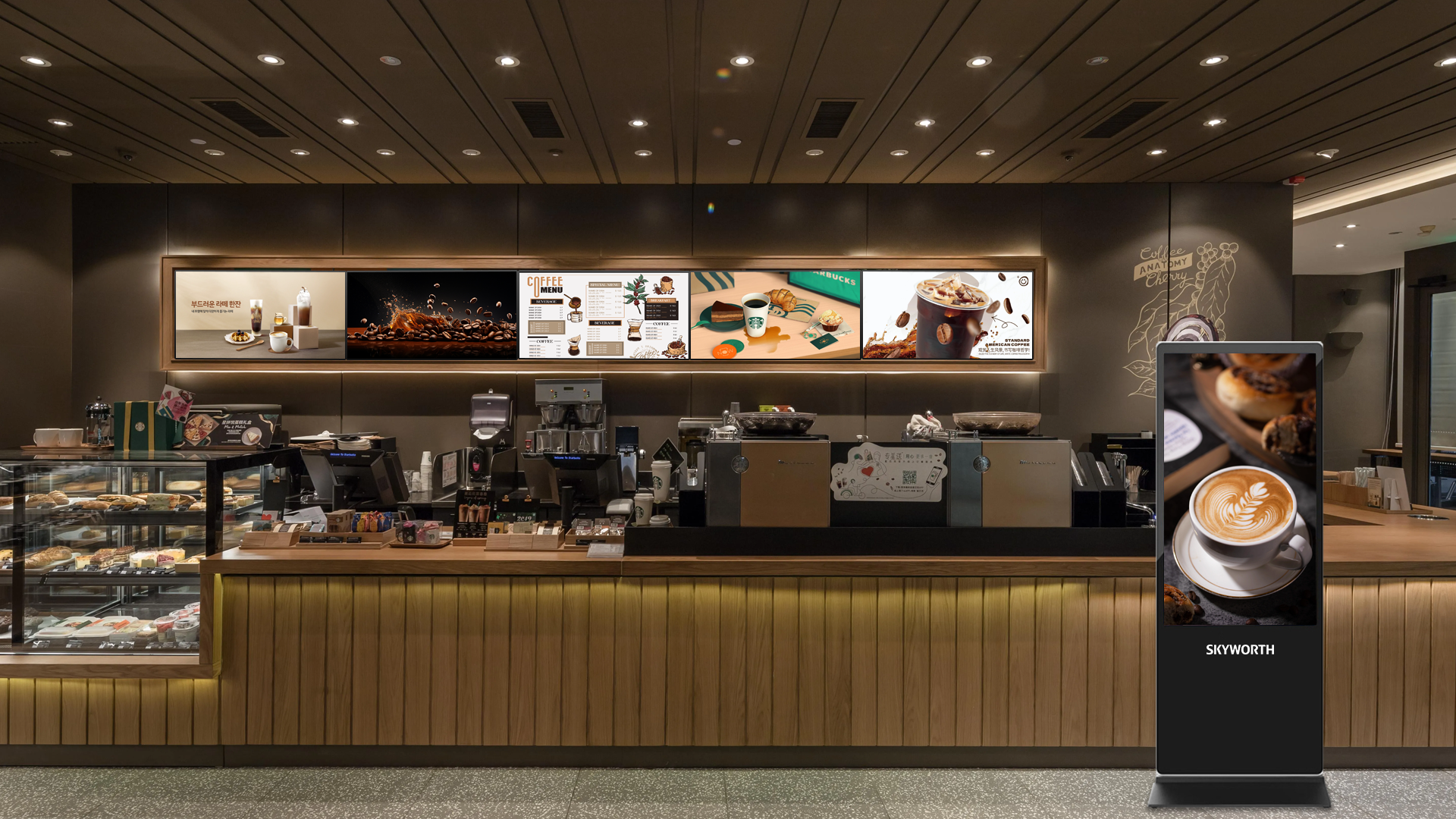
Skyworth had to exemplify innovative thinking at the Shenzhen Hi-Tech Fair 2023 given the limitations in enclosed space and unpredictable traffic flow at their booth. They adapted by doing many things, first, they placed digital screens that reconfigured their set every hour and responded to the flow of people. Also, they designed some of their furniture to function as a seat, marketing tool, and a place to rest. Their lighting system self-adjusted based on the number of people in the vicinity of particular areas during peak hours. By using different visual materials that encompassed their brand and highlighted the passages of the day as well as the changes in their booth, they still created visual continuity. Most of the things they created worked. They recorded an average of 37% longer dwell time in their booth space in comparison to their contemporaries who kept the booth unchanged. Close to 90% of fair visitors engaged in at least one of their many promotional activities.
When companies create spaces that respond to the realities of the world around them, they can offer their customers a better experience, even if they are still telling the company’s brand story.
FAQs
What are some advantages of planning exhibitions by integrating design, fabrication, and logistics?
Integration of design, fabrication, and logistics results in the ability to make adaptations and changes to the project in real time, and allows the team to work more efficiently.
What advantages do modular booth systems have for exhibitions?
Modular booth systems offer flexible design options to accommodate various hall sizes, minimize waste, achieve environmental sustainability, support consistent branding, and save money by reusing booth components.
What is the impact of using interactive technologies in exhibitions?
The use of interactive technologies creates immersive experiences through virtual and augmented reality (VR/AR), project-based games, and data analysis, resulting in a higher level of engagement and increased number of leads for the exhibition.
Can you provide an example of adaptable exhibit design in action?
Skyworth used adaptable exhibit design and interactive technologies at the 2023 Shenzhen Hi-Tech Fair to increase brand engagement by 37% and keep people at the exhibit for a longer time. They used light sensors, digital displays, and other branding elements to achieve this.